AURA joined the international discussion on Roma inclusion
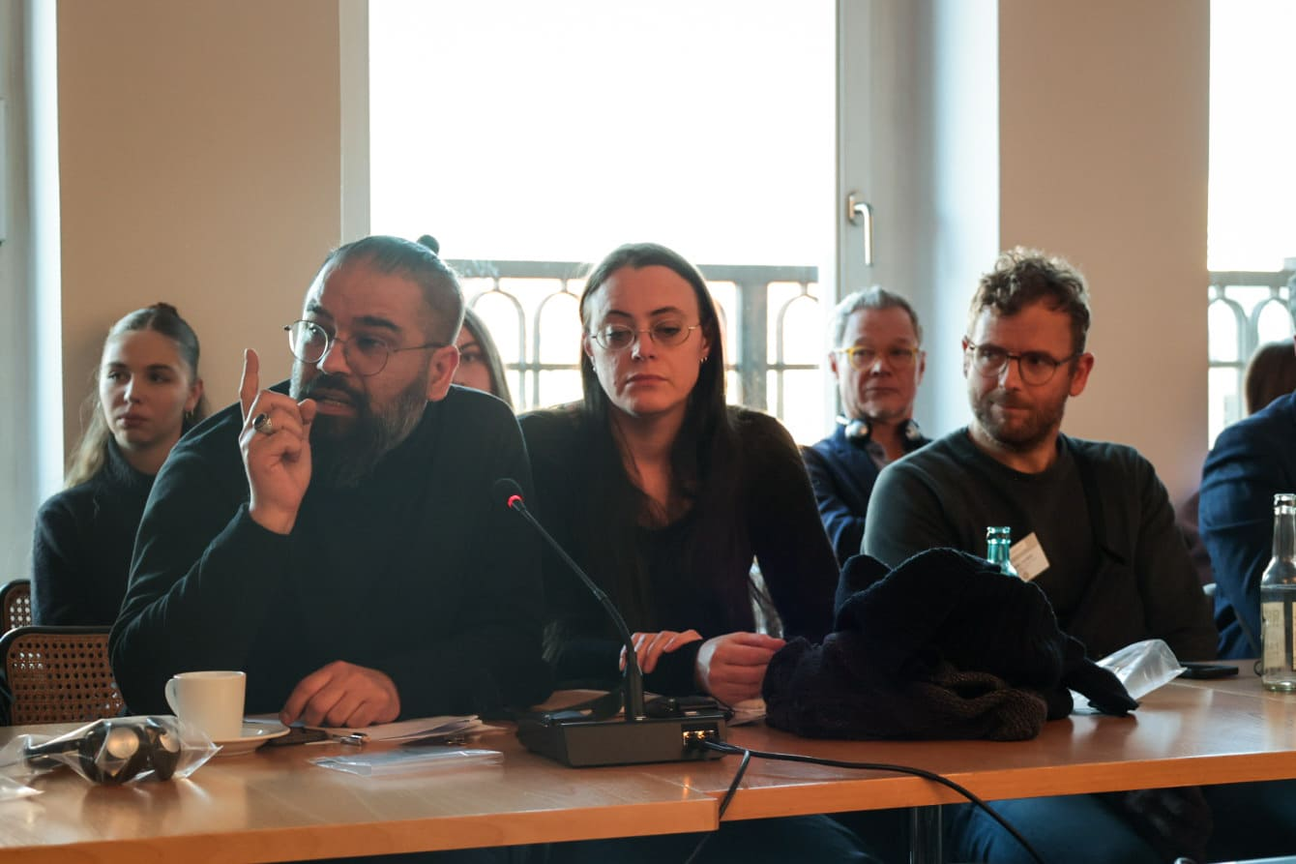
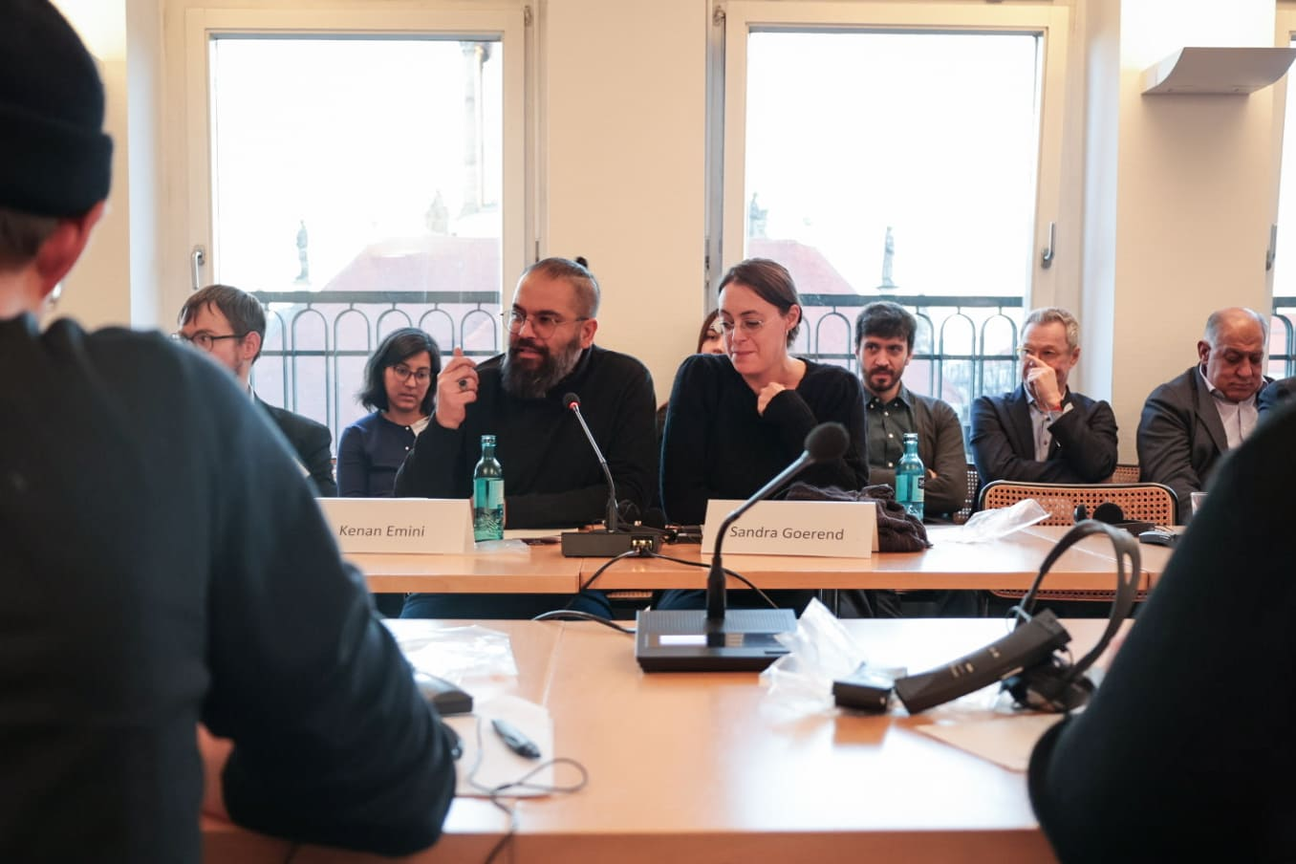
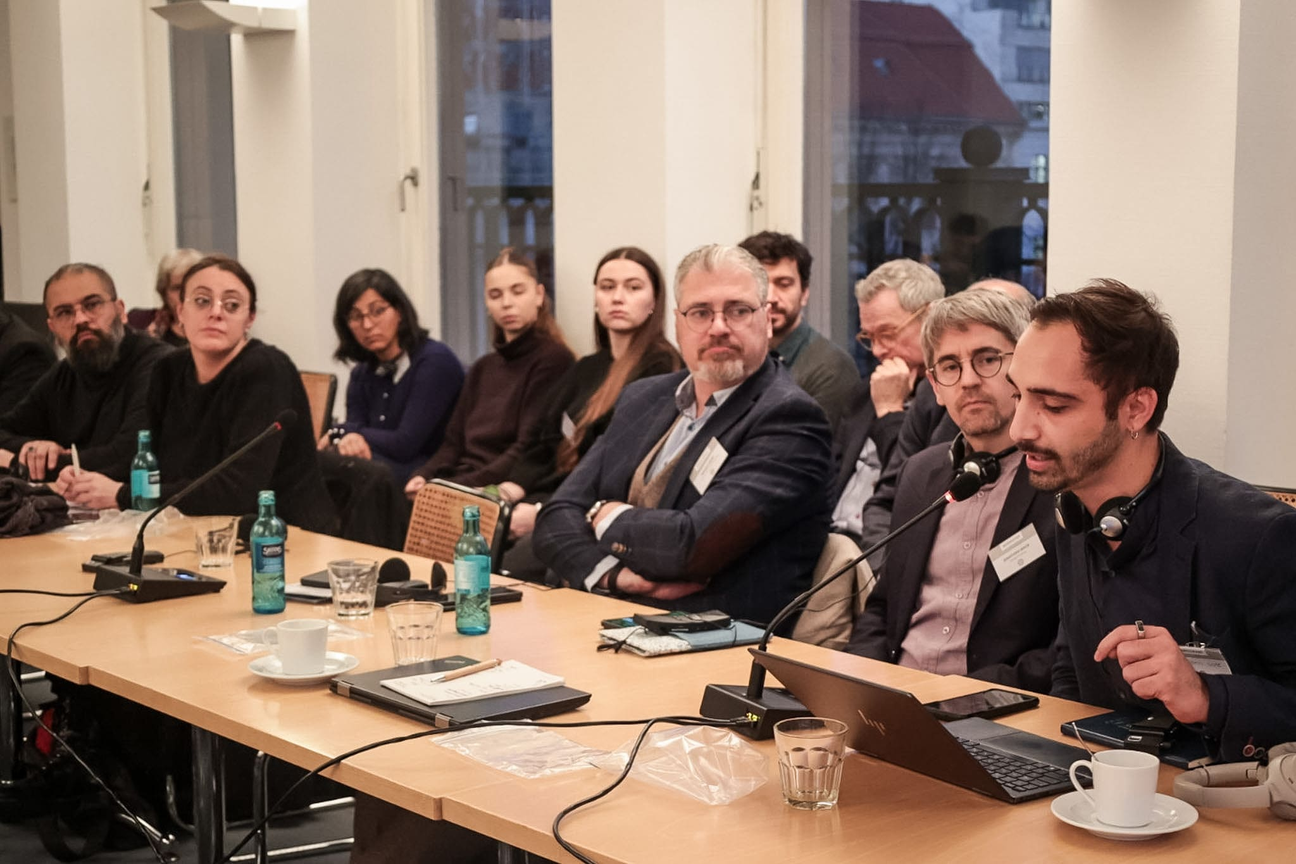
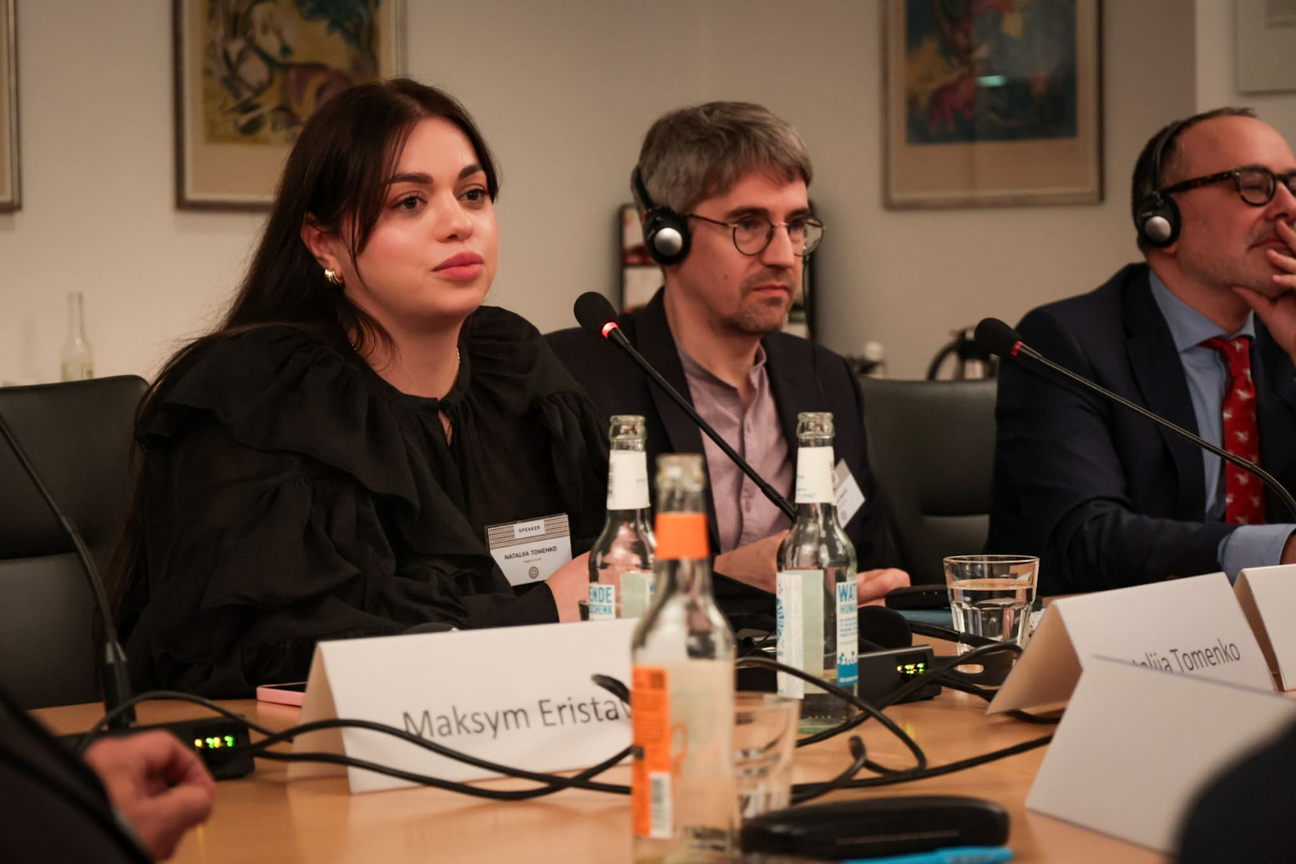
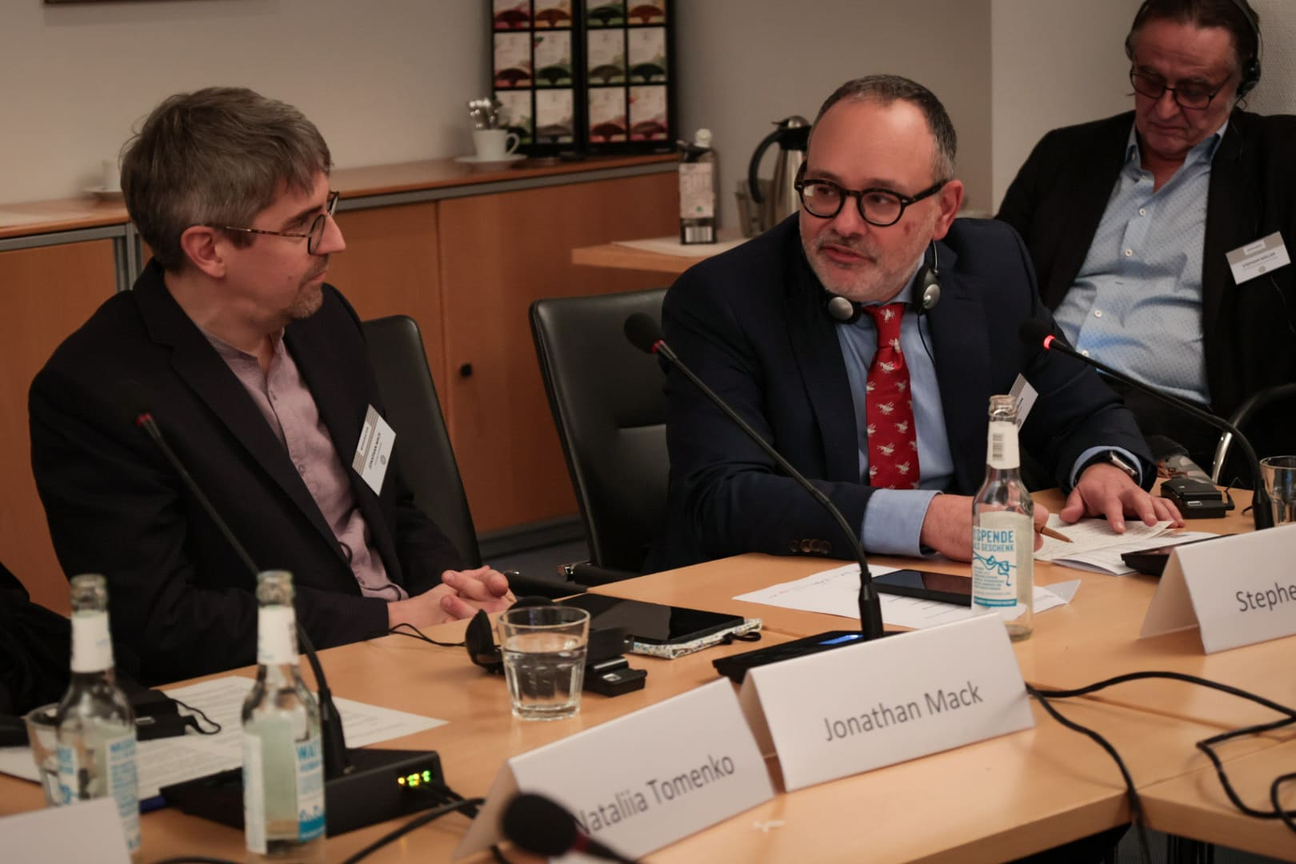
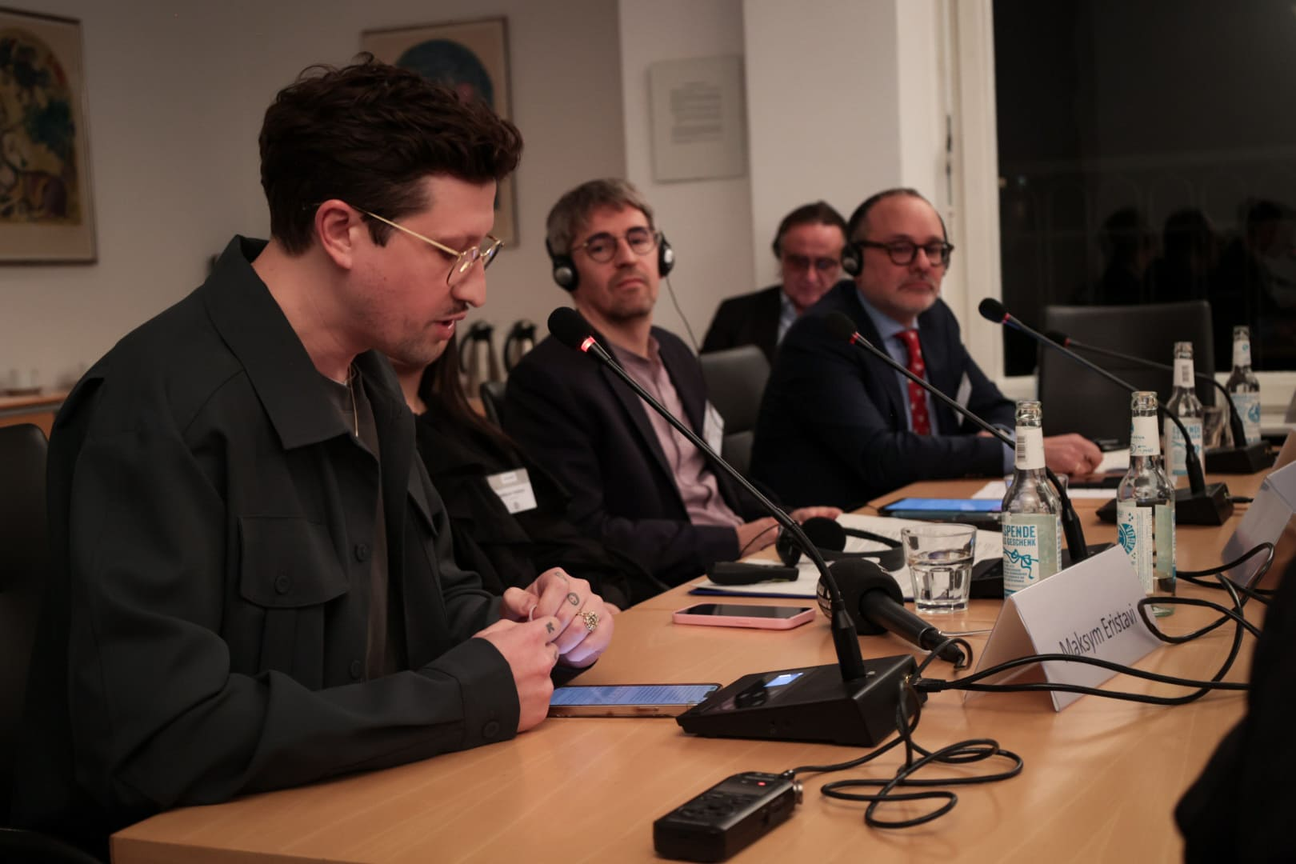
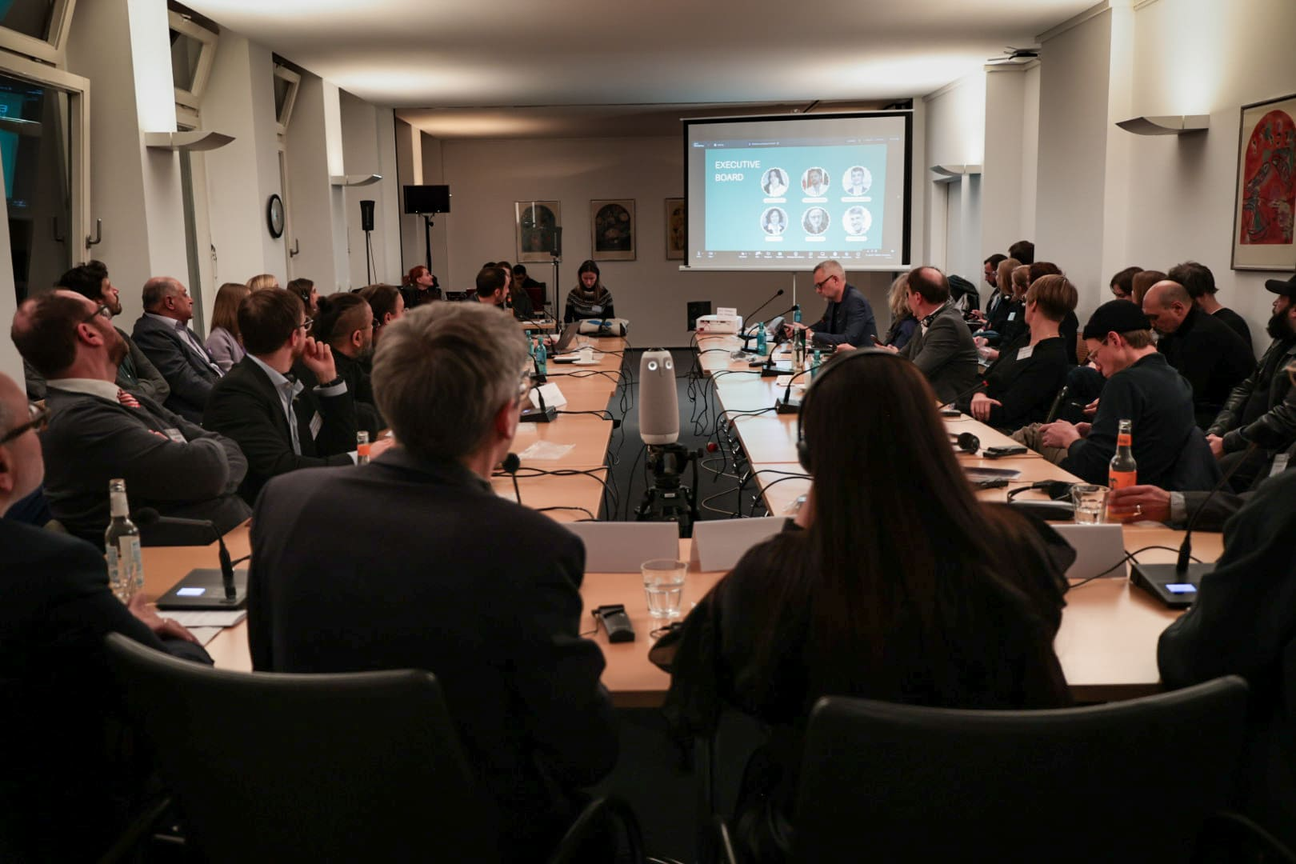
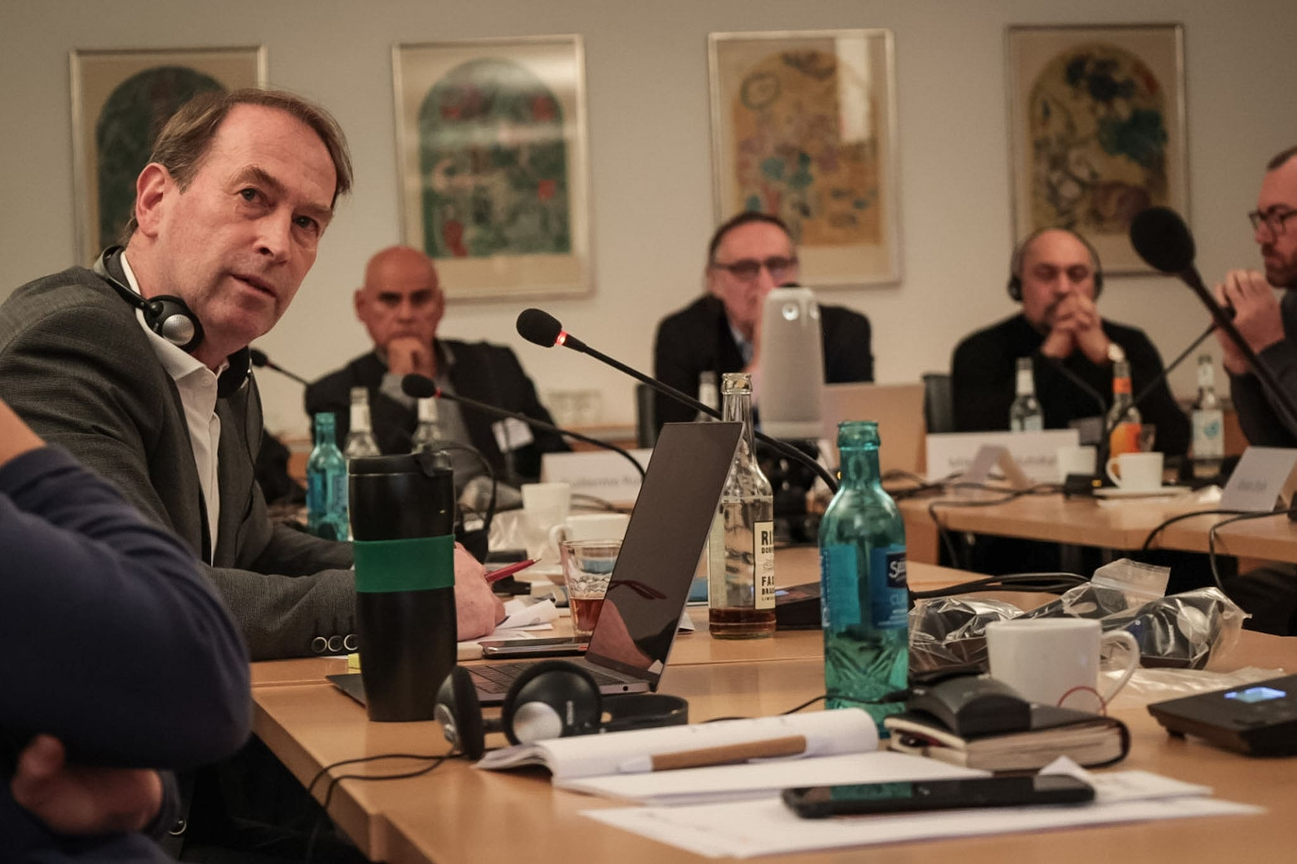
A roundtable discussion entitled “Roma Inclusion in Focus: Strengthening Partnerships between Ukraine and Germany” was held in Berlin, during which the Ukrainian Roma Advocacy Alliance (AURA) presented its activities, vision, and priorities. The event was organized by the Youth Agency for the Advocacy of Roma Culture “ARKA” and the Central Council of German Sinti and Roma in cooperation with the Society for Threatened Peoples and the Evangelical Academy in Berlin, with the support of the German Federal Foreign Office and the Ukrainian Women's Fund.
The event was attended by politicians, representatives of state institutions, and civil society from Ukraine and Germany. The main topics of discussion were the rights and needs of Roma in Ukraine in the context of full-scale war, as well as the situation of Roma refugees from Ukraine in Germany. Participants talked about equal participation, combating anti-Gypsyism, access to social, humanitarian, and medical services, and the need to develop long-term international partnerships.
The discussion was opened by Michael Roth, member of the AURA Advisory Board and former Federal Minister of State for Europe of the Federal Republic of Germany, who stressed the importance of perceiving Roma as full citizens of their countries of residence and emphasized the role of civil society in protecting the rights of Roma, particularly in Ukraine.
The discussion focused on the real challenges faced by Roma in Ukraine as a result of the full-scale war, as well as the situation of Roma from Ukraine who have refugee status in Germany. Participants discussed unequal access to social and humanitarian programs, restrictions in the areas of health care and education, as well as widespread manifestations of anti-Gypsyism, which complicate the integration and participation of Roma in public life.
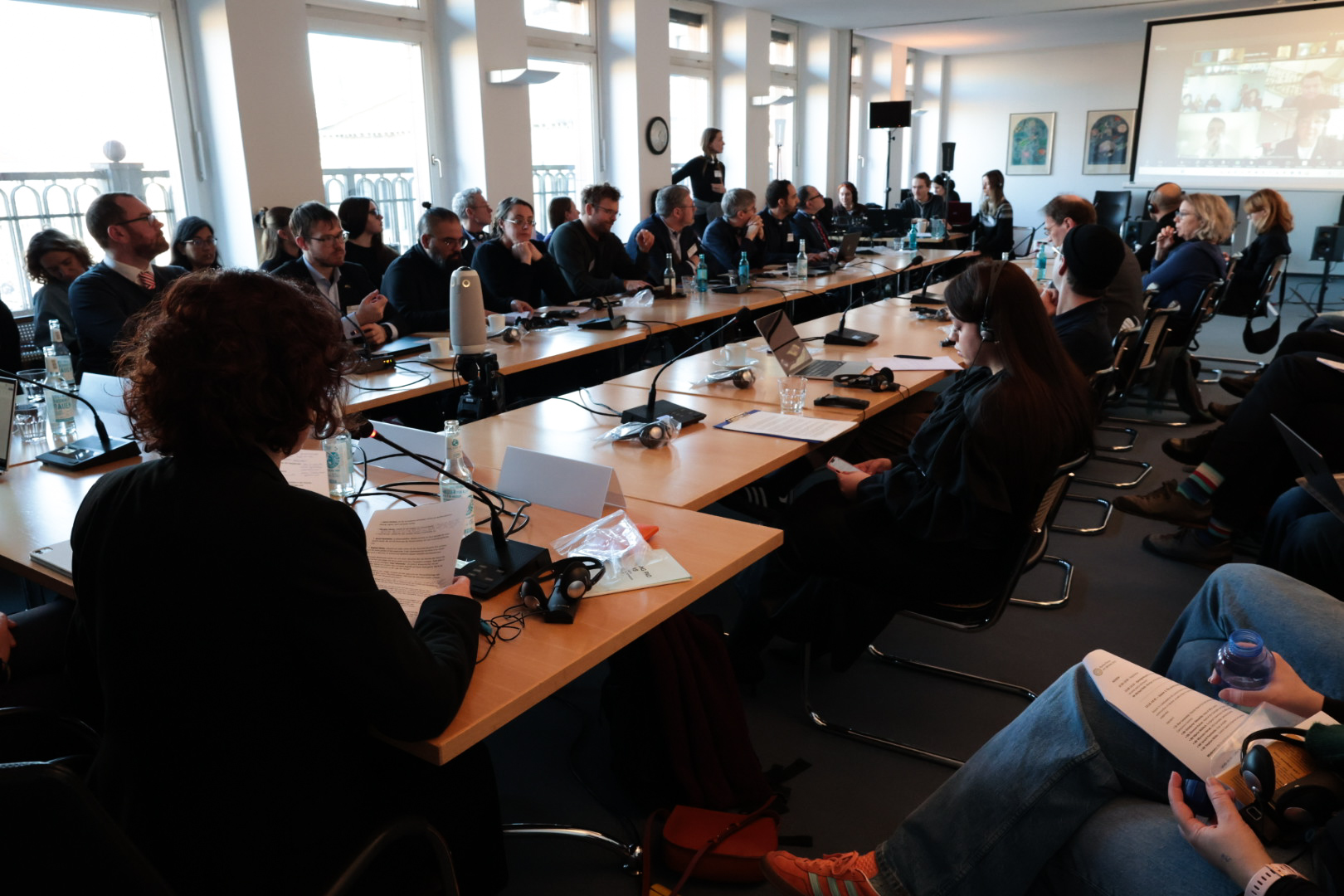
A separate section of the discussion was devoted to the role of state policies and international mechanisms in protecting the rights of Roma. They discussed the need for systemic solutions that are not dependent on political cycles, as well as the importance of involving Roma organizations in policy-making at the decision-making level, rather than only at the consultation stage.
Considerable attention was also paid to Germany's experience in working with Roma communities and the possibilities for adapting this experience to the Ukrainian context. Participants emphasized that institutional recognition of Roma issues, the existence of response mechanisms, and stable partnerships between the state and civil society create the conditions for more effective protection of rights and overcoming discrimination.
In this context, the round table provided a space for exchanging practical approaches, developing recommendations, and searching for joint solutions that can be used both in the process of supporting Roma refugees in EU countries and in the long-term perspective of Ukraine's recovery. It was this dialogue, based on partnership and equal participation, that the participants identified as a key prerequisite for strengthening Roma inclusion and democratic processes in general.
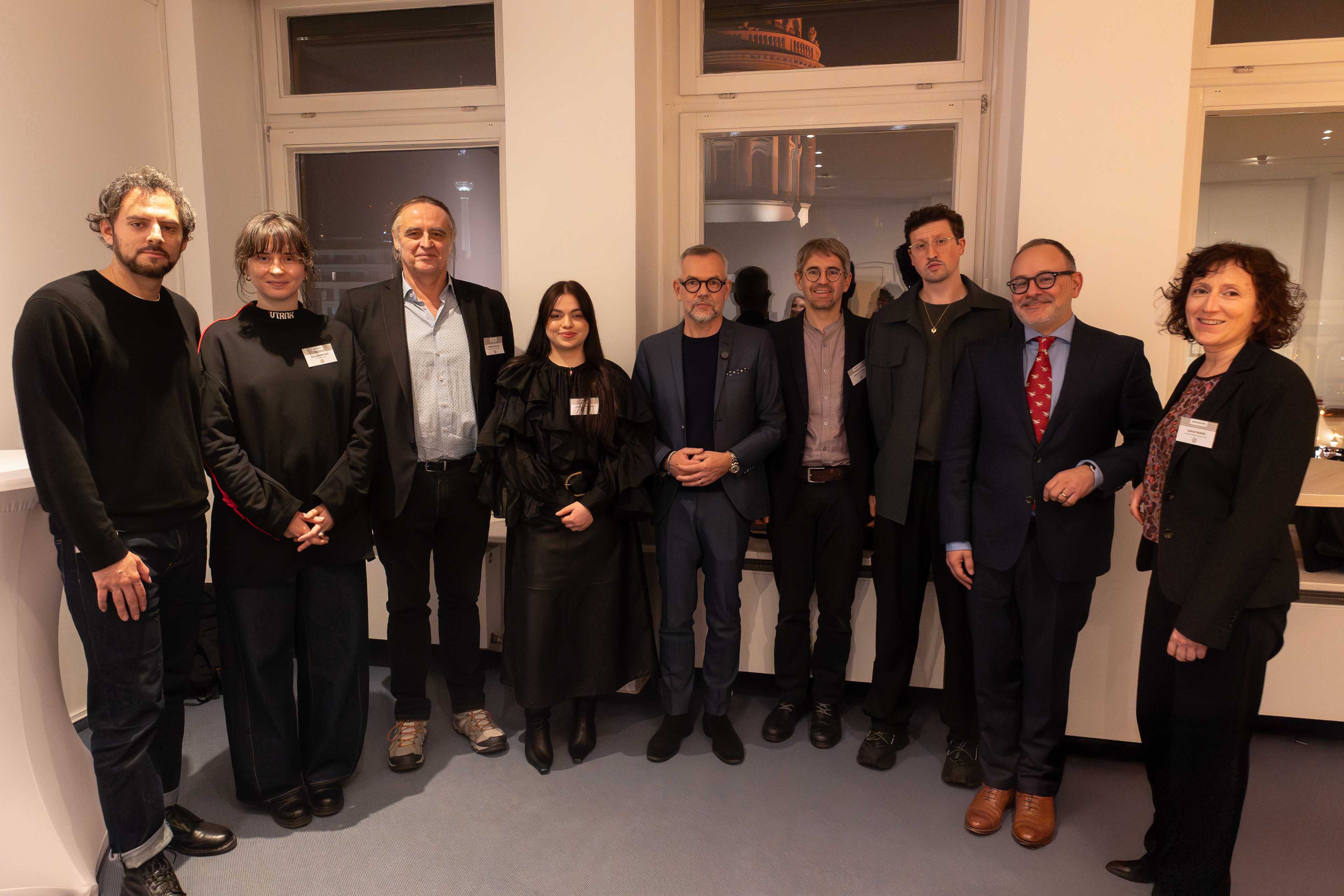
After the main part of the round table was completed, the Ukrainian Roma Advocacy Alliance (AURA) officially presented its activities. Representatives of the organization outlined key areas of work, including combating anti-Gypsyism, advocating for Roma rights, strengthening the participation of Roma organizations in policy-making, and supporting Roma in Ukraine and Roma refugees from Ukraine abroad.
During the question and answer session, AURA informed participants about its plans and prospects, in particular regarding the development of international cooperation, institutional strengthening of Roma organizations, and participation in the post-war reconstruction of Ukraine.
The Ukrainian Roma Advocacy Alliance (AURA) considers this event an important step towards establishing partnerships, strengthening international solidarity, and systematically promoting Roma inclusion issues at the European level.
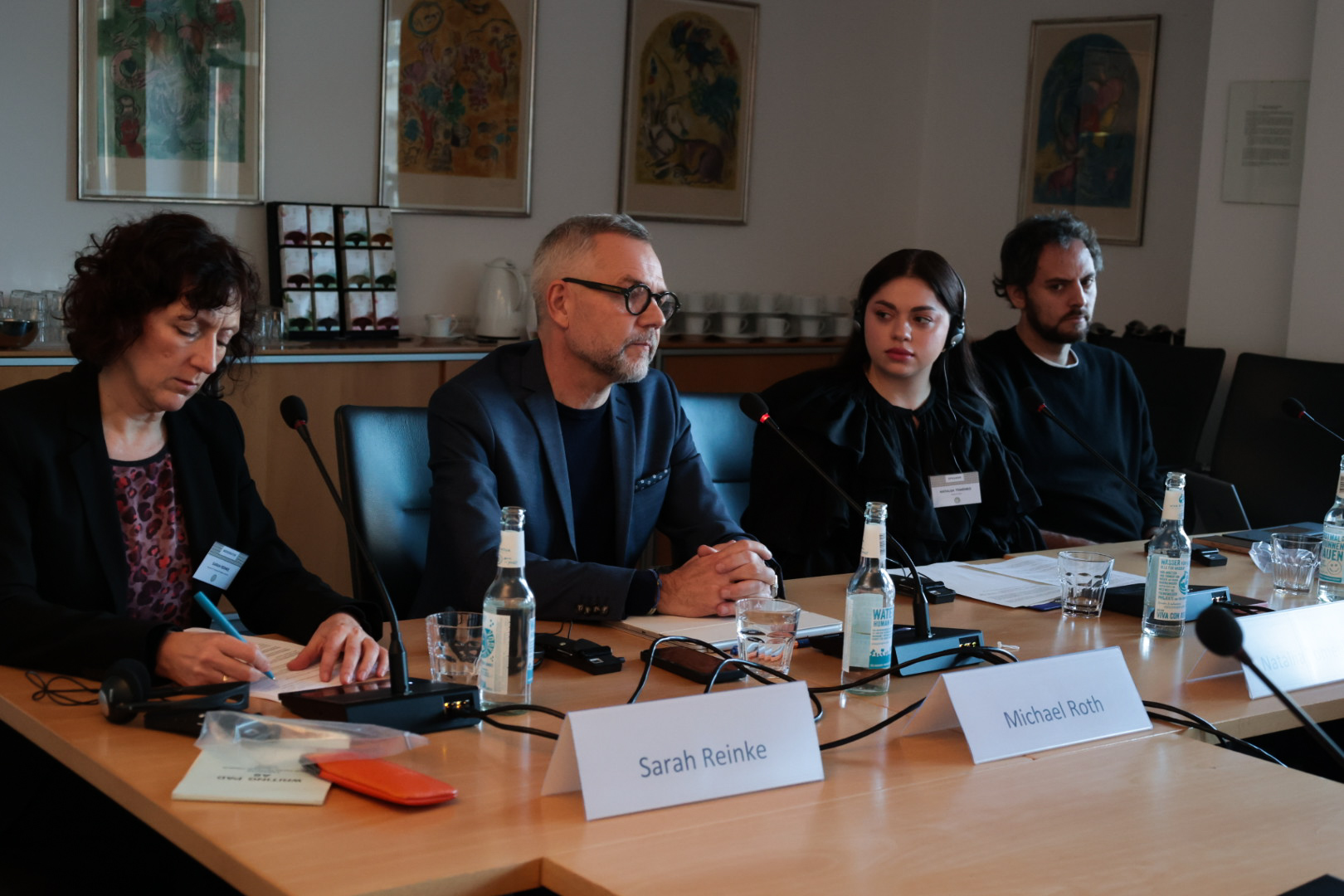
Photo: RONI LUGASSI